Next‑generation architecture for cities that never stand still

Nexus Grid Architecture is a U.S. architectural studio dedicated to designing human‑centered, sustainable spaces for fast‑changing urban environments. We work at the intersection of architecture, urban strategy, and building technology, helping developers, businesses, and municipalities transform complex sites into clear, buildable visions. Our team specializes in mixed‑use complexes, office campuses, adaptive reuse of industrial structures, and innovative residential concepts that respond to real patterns of living and working. From the first feasibility sketch to construction documentation and coordination with consultants, we manage the entire architectural process as a transparent, data‑driven workflow. We leverage digital modeling, performance simulations, and parametric tools to test daylight, comfort, circulation, and structural efficiency before a single cubic yard of concrete is poured. Every project is approached as a long‑term asset: energy performance, life‑cycle cost, and flexibility are built into the design from day one. With experience across multiple U.S. regions and codes, Nexus Grid Architecture delivers architecture that is not only visually striking but also operationally resilient and economically sound.

hero

Why work with Nexus Grid Architecture

Choosing Nexus Grid Architecture means partnering with a studio that treats every project as a strategic investment, not just a beautiful object. We combine market awareness, technical rigor, and design quality to ensure that your building performs as well in spreadsheets as it does in photographs. Our process starts with listening: we clarify business goals, user needs, regulatory constraints, and budget limits before we draw a single line. Then we translate these inputs into a clear design roadmap with measurable milestones and options. Our integrated approach lets you see the impact of each decision on cost, schedule, energy, and long‑term operations. We coordinate closely with engineers, contractors, and city officials to minimize friction and surprises during permitting and construction. Whether you are reimagining an existing asset or developing a new landmark, Nexus Grid Architecture becomes an extension of your team, providing consistent guidance, careful documentation, and proactive risk management from concept to occupancy.

Data‑driven design decisions

At Nexus Grid Architecture, design intuition is backed by evidence. We use building performance analysis, massing studies, and circulation simulations to test scenarios early, when changes are still affordable. Instead of relying on guesswork, we evaluate daylight access, thermal comfort, acoustic behavior, and structural efficiency through digital models that respond to real climate and usage data. This allows stakeholders to compare options with clear metrics: rentable area, envelope performance, potential LEED pathways, or predicted operational costs. Our data‑driven process does not replace creativity; it gives it direction. By understanding constraints and opportunities, we can push form and expression in ways that still respect budgets, codes, and timelines. The result is architecture that feels bold and original yet remains practical for maintenance, leasing, and long‑term resilience. For clients, this means fewer redesign cycles, smoother approvals, and higher confidence that the chosen concept is the right one for the site and the market.

Sustainability built into the concept

Sustainability at Nexus Grid Architecture is not an optional add‑on at the end of the project; it is a framework we apply from the earliest sketches. We analyze building orientation, shading strategies, envelope assemblies, and HVAC concepts to reduce loads before adding high‑tech systems. Passive principles such as natural ventilation, thermal mass, and daylit cores are systematically explored for feasibility and cost impact. We collaborate with energy consultants and MEP engineers to align architectural moves with realistic performance targets, certifications, or ESG reporting requirements. Material choices prioritize durability, low embodied carbon where feasible, and ease of future adaptation or disassembly. By integrating these decisions into the concept phase, we help clients avoid the common scenario in which sustainable features are cut late due to budget shocks. Instead, they become intrinsic qualities of the architecture, supporting tenant well‑being, brand positioning, and long‑term asset value.

Clear coordination from concept to construction

Complex projects demand tight coordination between architects, engineers, contractors, and authorities. Nexus Grid Architecture structures this collaboration as a clear, phased process. We establish shared digital models and consistent documentation standards so everyone works from the same information. Design decisions are recorded, versioned, and communicated with visual clarity, reducing the risk of conflicting assumptions in the field. Our team is experienced in working within U.S. permitting systems and understands how code, zoning, and accessibility requirements translate into practical design constraints. During design development and construction documentation, we remain accessible and responsive, addressing RFIs, clarifying details, and adjusting drawings as site conditions evolve. This proactive communication helps control change orders, supports schedule reliability, and builds trust among all participants, so your project advances with fewer surprises and a steady, predictable momentum.

Human experience at the center

While technology and performance are essential, Nexus Grid Architecture ultimately measures success by how people feel and work in the spaces we create. We study user journeys, views, acoustics, and tactile qualities to shape environments that are legible, comfortable, and engaging. For workplaces, this might mean flexible neighborhoods that support focused work, teamwork, and informal encounters without constant reconfiguration. For residential projects, it could mean intuitive layouts, storage solutions, and carefully framed access to light, air, and outdoor space. We also consider how architecture communicates identity. Entrances, lobbies, and public interfaces are treated as storytelling opportunities that align with your brand or civic role. Materials and details are chosen not only for performance but also for how they age and how they feel under hand and foot. By integrating research on behavior, wellness, and accessibility, Nexus Grid Architecture designs buildings that people intuitively enjoy using, which translates into higher tenant satisfaction, stronger retention, and more vibrant communities.

“Working with Nexus Grid Architecture completely changed how we approach our real estate portfolio. We engaged them for the redevelopment of an aging office campus that had struggled with high vacancy and outdated systems. Their team led us through a phased strategy that respected our financial constraints but still delivered a bold new vision. Throughout design, they used clear diagrams, 3D models, and performance studies so our internal stakeholders could understand trade‑offs between cost, flexibility, and sustainability. Construction inevitably brought surprises, yet Nexus Grid Architecture remained calm and solution‑oriented, coordinating with consultants and the contractor to protect both schedule and design intent. The resulting campus feels contemporary, efficient, and genuinely pleasant to work in, and we have already seen improved leasing interest and employee feedback.”

Laura J. McKinley
Corporate Real Estate Director

“As a municipal project manager, I work with many design firms, and Nexus Grid Architecture stands out for their clarity and accountability. We hired them to reimagine a former industrial site as a mixed‑use civic hub with public space, community services, and flexible commercial area. From the start, they translated policy goals and community input into coherent design options, each backed by simple metrics about cost, phasing, and long‑term maintenance. Public meetings can be challenging, but their architects explained complex ideas in accessible language and responded respectfully to concerns about traffic, noise, and environmental impact. During permitting, they were proactive in addressing code questions and coordinating with multiple city departments. The final design has been widely praised for its openness, walkability, and thoughtful integration of existing structures, and Nexus Grid Architecture has become a trusted partner for our future initiatives.”

Daniel R. Flores
Municipal Project Manager

Impact in numbers

Behind every project completed by Nexus Grid Architecture is a rigorous process of analysis, coordination, and refinement. We track not only square footage and construction costs, but also indicators such as energy performance, adaptability, and user satisfaction. These metrics inform our design choices and help clients evaluate the real value of their investment. Over time, this evidence shapes our internal best practices, allowing each new project to benefit from lessons learned across the portfolio.

Measuring impact is also a way to hold ourselves accountable. We assess how our buildings perform after occupancy, how easily they can be adapted to new uses, and how they fit within their urban context. Feedback from facility managers, tenants, and local communities is incorporated into our design methodology, sharpening our ability to anticipate operational issues before they arise. By pairing quantitative data with qualitative insights, Nexus Grid Architecture cultivates a feedback loop that strengthens both design quality and client outcomes over the long term.

85+
Completed architectural projects across U.S. urban and suburban markets.
62%
Average improvement in operational energy performance compared to pre‑renovation baselines on major retrofit projects.
18
States in which Nexus Grid Architecture has successfully navigated local codes and permitting processes.
94%
Client repeat engagement rate, reflecting long‑term partnerships and ongoing consultancy.

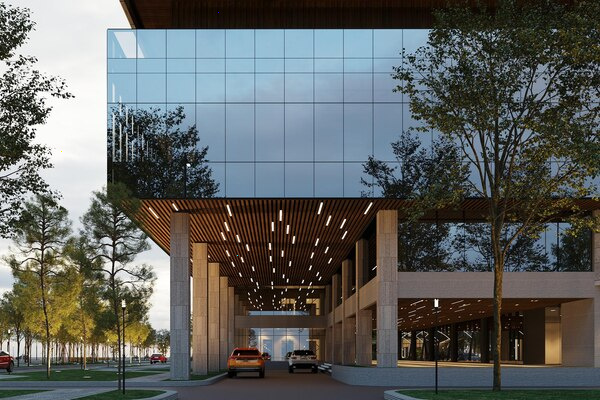
Adaptive Facade Systems in Contemporary Urban Design

Adaptive facade systems are increasingly central to contemporary urban design, linking architecture, environmental performance, and public space quality. These systems—sometimes called responsive,...

Frequently Asked Questions

What types of projects does Nexus Grid Architecture specialize in?

We focus on contemporary urban and suburban projects, including mixed‑use developments, office campuses, adaptive reuse of industrial buildings, multi‑family residential, and selected civic or educational facilities. Many of our commissions involve complex sites, evolving program requirements, or demanding sustainability goals. We are comfortable working on both new construction and significant renovations where phasing and occupancy constraints must be carefully managed.

How does your design process typically work?

Our process is structured in clear phases: research and discovery, concept development, schematic design, design development, and construction documentation, followed by support during bidding and construction. At each step we provide visual deliverables, cost‑sensitive options, and performance insights so decisions are well‑informed. We engage consultants early, maintain a coordinated digital model, and schedule regular check‑ins with the client team to align design progress with business objectives and regulatory milestones.

Can you work within strict budgets and timelines?

Yes. We treat budget and schedule as core design parameters, not afterthoughts. Early in the project we work with cost estimators or contractors to benchmark targets and test massing strategies, structural systems, and material palettes against financial constraints. If conditions change, we propose value‑engineering options that protect long‑term quality and performance. Transparent communication and documented decisions help keep the project on track and reduce costly redesigns or delays.

Do you provide sustainability and certification services?

We integrate sustainability into every project and can support a range of certification pathways such as LEED or local green building standards in collaboration with specialized consultants. Our focus is on pragmatic, high‑impact strategies: passive design, efficient envelopes, right‑sized systems, and flexible layouts that extend building life span. We evaluate different scenarios with performance modeling and help clients choose solutions that align environmental ambitions with capital budgets and operational realities.

Contact

Phone: +1 628 407 9136

220 Professional Park Dr SE

Privacy and data usage

Nexus Grid Architecture uses cookies and limited analytics tools to understand how visitors interact with our website and to improve your browsing experience. We do not sell your personal data. By continuing to use this site, you agree to the collection and processing of information as described in our detailed Privacy Policy. You can adjust or withdraw your consent at any time through your browser settings or by contacting us directly. View full Privacy Policy